Unpacking Structural Foundations That Channel First-Time Visitor Flows Through Layered Hosting Frameworks
Structural foundations in modern hosting environments operate through multiple interconnected layers that direct first-time visitor requests from initial network entry points down to specific content delivery nodes, and these systems rely on configurations established at the infrastructure level to manage traffic without requiring prior user sessions or cached data.
Network operators establish primary routing rules at the domain name system stage where queries resolve to designated IP addresses associated with content delivery networks or origin servers, while subsequent layers apply load distribution algorithms that evaluate factors such as geographic proximity and current server capacity before forwarding packets onward.
Core Components of Multi-Tiered Hosting Setups
Hosting providers implement container orchestration platforms that isolate application instances within virtualized environments, and these platforms enforce resource allocation policies that prevent any single request stream from overwhelming downstream processes during peak arrival periods. Researchers at academic institutions have documented how such isolation maintains consistent response times even when thousands of new connections arrive simultaneously from diverse global locations.
Edge computing nodes positioned near major internet exchange points handle preliminary authentication checks and protocol negotiations, after which they relay validated requests to centralized data centers equipped with redundant power supplies and high-speed interconnect fabrics. Data compiled by the Internet Society indicates that organizations adopting these distributed node architectures recorded measurable reductions in latency metrics for unauthenticated first-time accesses during 2025 testing cycles.
Request Handling Sequences Across Infrastructure Layers
Upon arrival at the outermost perimeter, traffic encounters web application firewalls that inspect packet headers against predefined rule sets before permitting passage to internal reverse proxies, and these proxies then rewrite uniform resource locators according to mapping tables maintained by system administrators. The process continues through application servers that query backend databases or static file repositories based on path parameters supplied in the original request.
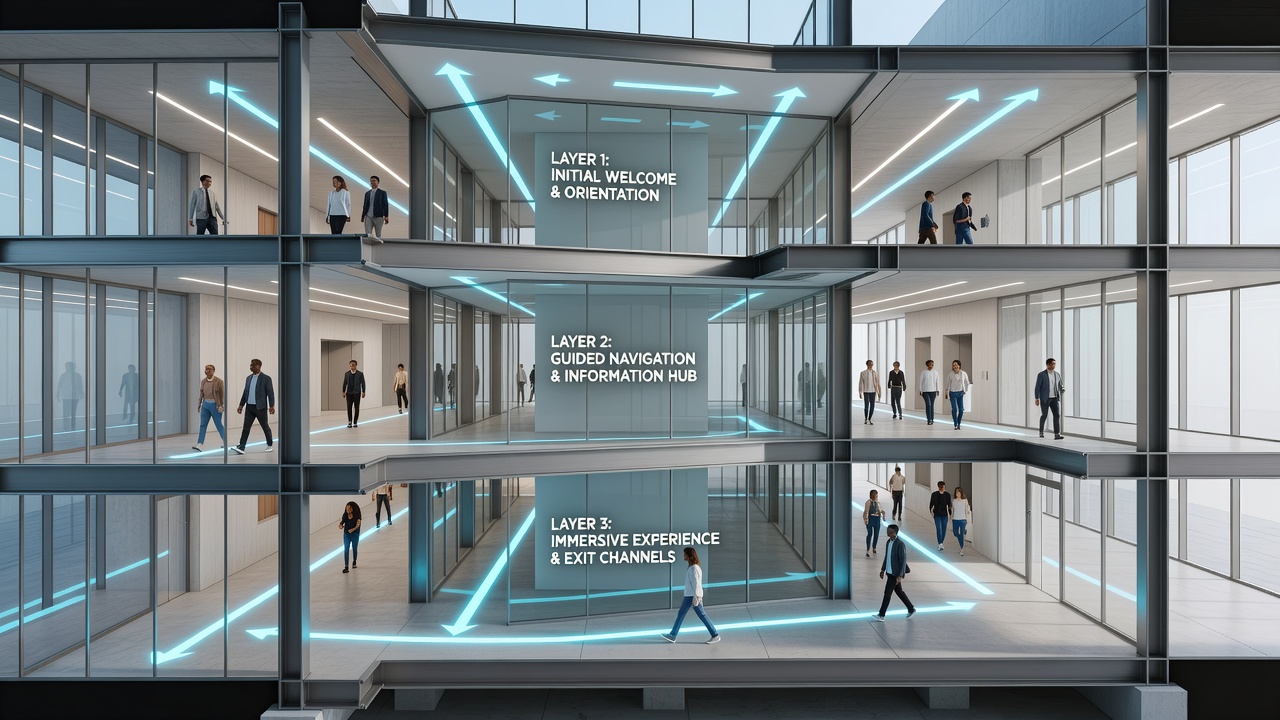
Virtual machine hypervisors at the compute layer allocate dedicated memory segments and processing threads for each incoming session, whereas storage area networks deliver file system metadata that determines whether content exists in cached memory or must be retrieved from disk arrays. Observers note that synchronization between these components relies on message queues that buffer instructions during high-volume periods, ensuring sequential processing even when arrival rates exceed baseline projections.
Configuration Practices That Influence Traffic Direction
System engineers define default document directives within server software that specify which file serves when a request targets a directory without an explicit filename, and these directives integrate with rewrite engines that apply conditional logic derived from header information such as user agent strings or accepted language preferences. Configuration management tools track changes across multiple environments to maintain consistency between staging and production deployments.
Security protocols embedded at each tier enforce transport layer encryption requirements that trigger certificate validation sequences before any payload exchange occurs, and compliance frameworks established by regulatory bodies in regions including the European Union and Australia require logging of these initial handshake events for audit purposes. Industry reports from research organizations show that organizations updating their certificate rotation schedules in preparation for November 2026 standards revisions have begun testing automated provisioning systems to reduce manual intervention points.
Scaling Mechanisms in Layered Environments
Auto-scaling groups monitor metrics collected from load balancers and spin up additional container instances when thresholds for concurrent connections are crossed, while orchestration schedulers redistribute workloads across available hosts to balance utilization rates. These mechanisms operate independently of user authentication status, allowing first-time visitors to receive equivalent resource access as returning sessions during initial interactions.
Content delivery networks cache static assets at multiple geographic points and serve them directly when origin servers report elevated response times, yet dynamic content generation still traverses the full stack from edge to database layer for each unique request. Analysts tracking adoption patterns have recorded increased deployment of these hybrid caching strategies among enterprises managing large-scale public websites.
Conclusion
Layered hosting frameworks channel first-time visitor flows through coordinated interactions among network resolution services, perimeter security appliances, proxy intermediaries, and compute orchestration systems, and ongoing refinements to these structures continue to shape how initial requests reach their designated endpoints across varied provider environments.