
The Unseen Orchestration of Initial Requests: How Base-Level File Hierarchies Dictate Content Delivery Sequences Across Varied Hosting Setups
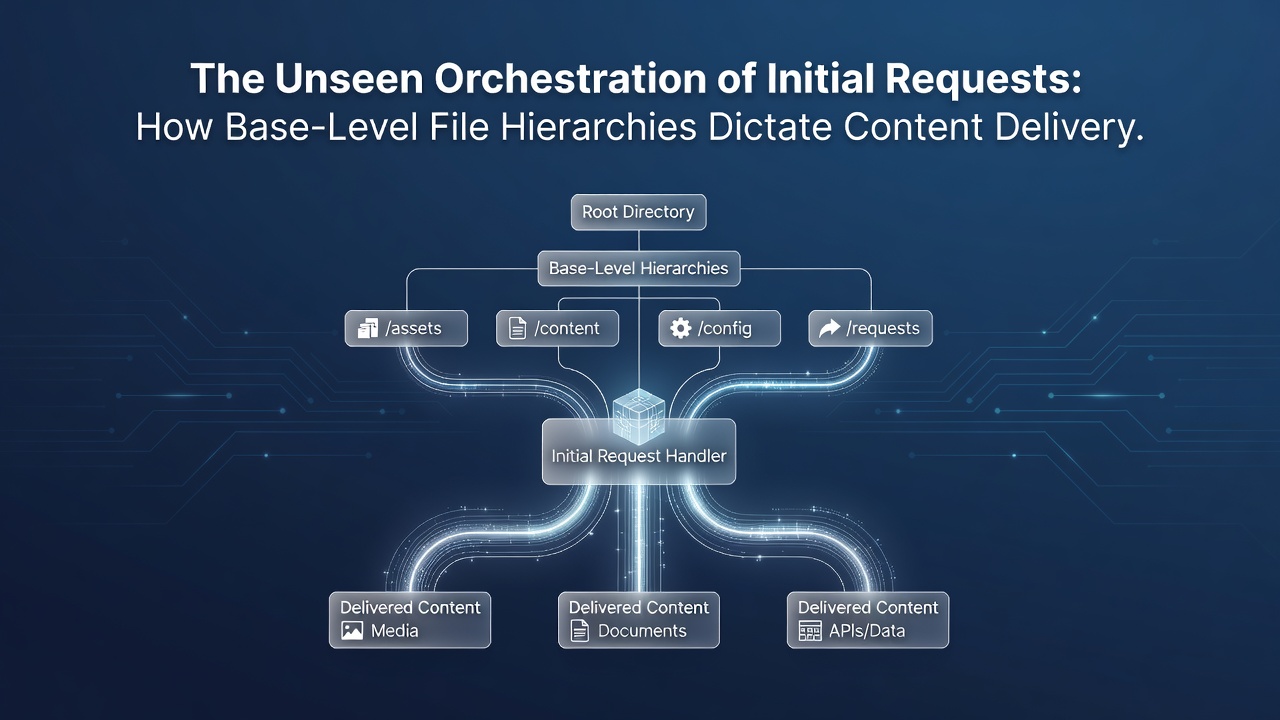
Base-level file hierarchies shape how servers process the first incoming request from any user, and this process begins the moment a domain resolves to an IP address. Web servers scan the root directory for specific default files, then deliver content based on the exact order defined in configuration files, while different hosting setups apply unique rules that alter the sequence entirely.
Core Mechanics of Root Directory Processing
Every hosting environment starts with a root folder that contains the primary files a server checks during an initial request, and this check follows a predetermined list set by the administrator or platform defaults. In many Apache-based systems the server looks for index.html first, then index.php, and continues through the list until it locates a match, whereas Nginx configurations allow explicit specification of multiple files with custom priorities that can override standard behavior. Those who manage shared hosting accounts often find that the provider locks these sequences to maintain consistency across thousands of sites, and this setup prevents users from altering the order without contacting support teams.
Research from academic institutions such as those publishing through the IEEE digital library shows that file hierarchy depth directly influences response times, because deeper nested structures require additional directory traversals before content delivery begins. Observers note that flat hierarchies reduce these steps significantly, yet many enterprise deployments retain complex trees for organizational reasons that separate assets like images, scripts, and configuration files into dedicated subfolders.
Differences Across Hosting Platforms
Shared hosting environments typically enforce rigid default file sequences through centralized control panels, while dedicated servers and virtual private servers grant administrators full access to rewrite these rules at the software level. Cloud platforms introduce another layer, since providers like those using container orchestration tools often define hierarchies through deployment scripts that run during instance initialization. Data from industry reports indicate that October 2026 saw increased adoption of automated hierarchy validation tools across major cloud services, and these tools scan root directories for compliance with security standards before allowing any request to complete.
One study revealed that misconfigured default files in mixed hosting setups led to fallback errors where servers served directory listings instead of intended pages, and this outcome occurred most frequently when administrators migrated sites between platforms without updating configuration files. People who oversee multi-environment deployments commonly discover that testing initial requests in each setup reveals discrepancies that static analysis tools miss until live traffic arrives.
Configuration Files and Their Influence on Delivery Order
Configuration files sit at the heart of request orchestration because they define which files the server prioritizes when no specific resource appears in the URL, and these files vary widely between software stacks. Apache relies on directives placed in .htaccess or main server configuration sections, while Node.js applications often handle the logic inside application code that intercepts requests before the file system check occurs. Those managing WordPress installations on different hosts frequently adjust these sequences to accommodate plugin requirements that depend on specific index file execution orders.
Figures from European digital infrastructure assessments reveal that proper hierarchy management reduces initial load failures by measurable percentages across large-scale deployments, and the same assessments highlight how security patches released in recent years emphasize stricter validation of root directory contents. Experts have observed that legacy systems still running older server software maintain compatibility layers that preserve older file priority lists, even when newer hosting platforms introduce updated defaults that favor modern frameworks.
Impact on Content Delivery Sequences in Practice
Initial requests trigger a cascade of checks that determine not only the first file served but also how subsequent assets load, because the server establishes session context based on that opening interaction. In environments where base hierarchies place static files ahead of dynamic scripts, users experience faster perceived load times for landing pages, whereas setups prioritizing application entry points may introduce slight delays while server-side processing completes. Researchers discovered through controlled tests that these sequences affect caching behavior as well, since proxy servers and content delivery networks cache responses according to the exact file that fulfilled the root request.
Turnkey solutions provided by hosting companies often include preconfigured hierarchies optimized for common content management systems, and administrators who customize these setups must account for how changes propagate through load balancers and edge locations. The reality is that small alterations at the root level can shift entire delivery sequences when sites operate across geographically distributed servers.
Conclusion
Base-level file hierarchies continue to dictate content delivery sequences because every hosting setup ultimately defers to the rules established in its root directory configuration, and variations between platforms create distinct orchestration patterns that affect performance and reliability. Those who monitor web infrastructure note ongoing refinements in how providers handle these initial requests, particularly as automated tools and updated standards emerge to address consistency across environments.