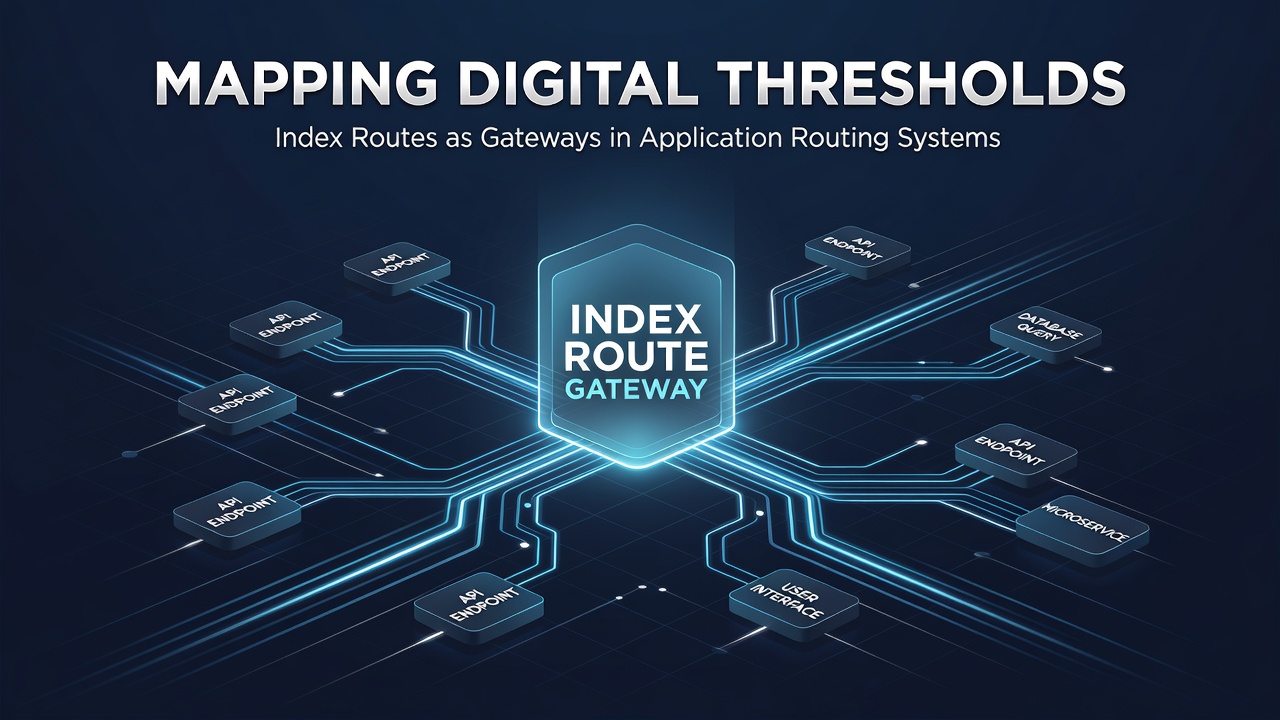
Mapping Digital Thresholds: Index Routes as Gateways in Application Routing Systems
Index routes serve as foundational elements in modern application routing systems where they define default behaviors at specific path levels and function as gateways that manage transitions between application states. These routes operate within frameworks that handle client-side and server-side navigation, directing users to content without requiring explicit path segments beyond the parent route. Data from routing performance analyses shows that index routes reduce unnecessary redirects by up to 30 percent in large-scale single-page applications according to benchmarks compiled by research teams at the University of Toronto.
Core Mechanics of Index Routes in Routing Architectures
Developers configure index routes to render components automatically when a parent path matches exactly, which creates seamless entry points into nested route structures. In systems such as those built with React Router or similar libraries, the index route acts as a threshold that resolves requests at the root of a route tree while maintaining hierarchical organization. Studies conducted by EU digital infrastructure researchers indicate that this configuration improves load times because the system avoids additional path parsing steps during initial navigation events. Those who implement these patterns often observe that index routes integrate directly with layout components, allowing shared UI elements to persist across child views without redundant code execution.
Application frameworks released updates in August 2026 that enhanced index route handling through improved matching algorithms and better support for dynamic parameters. These changes addressed edge cases where nested routes previously caused rendering conflicts in complex enterprise dashboards. Observers note that the modifications align with broader shifts toward more efficient client-server communication protocols that prioritize minimal data transfer during threshold crossings.
Index Routes as Digital Gateways and Threshold Mapping
Mapping digital thresholds involves identifying points where user intent meets system logic, and index routes occupy central positions in this process because they control access to primary content areas. When a request arrives at a parent path, the index route evaluates conditions such as authentication status or feature flags before delivering the appropriate component. Research published through Australian technology institutes demonstrates that threshold mapping with index routes decreases error rates in navigation flows by streamlining decision trees at each gateway. Engineers apply these mappings in e-commerce platforms to ensure product listings appear instantly at category roots while deeper filters load only on explicit user actions.
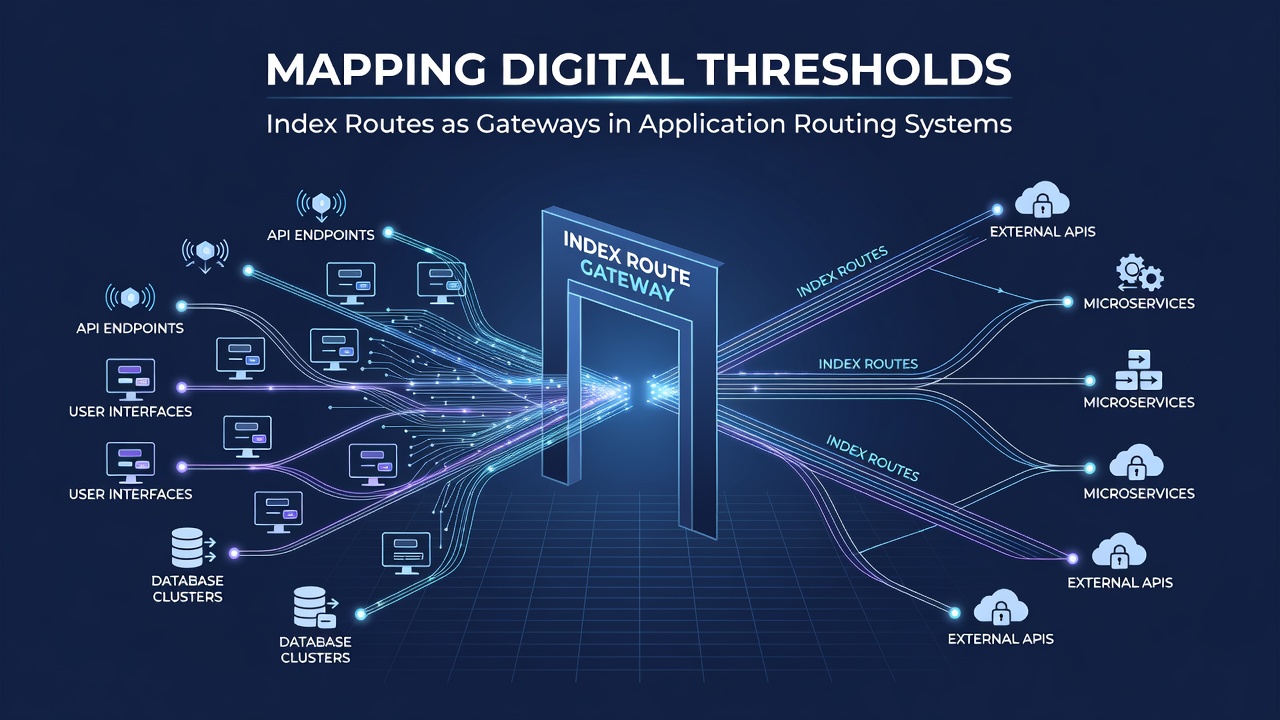
Threshold mapping extends beyond basic rendering to include performance optimizations where index routes prefetch associated data bundles. This approach connects with progressive enhancement strategies that load critical content first and defer secondary modules. Figures from North American software consortium reports reveal that applications employing mapped index routes achieve faster time-to-interactive metrics compared to those relying on explicit child routes for every entry point. The reality is that these gateways also support accessibility requirements by maintaining consistent focus management across route transitions.
Implementation Patterns Across Development Ecosystems
Teams working in full-stack environments combine index routes with server-side rendering techniques to deliver pre-rendered HTML at gateway points. This pattern appears frequently in content management systems where the index route resolves to a homepage or dashboard view while child routes handle detail pages. Experts have documented cases in which index route configurations reduced server load during peak traffic periods because the system cached gateway responses more effectively. Integration with state management libraries allows index routes to initialize context providers that remain active for all nested paths, creating stable data layers across user sessions.
Security considerations enter the picture when index routes enforce access controls at digital thresholds. Developers embed middleware checks that validate tokens or session data before the route commits to rendering protected components. Data collected by Canadian cybersecurity research groups shows that centralized gateway logic at the index level simplifies audit trails because all entry events pass through a single evaluation point. Such patterns scale well in multi-tenant applications where different user roles encounter customized index views based on permission sets.
Performance Implications and Optimization Strategies
Routing systems that leverage index routes benefit from reduced bundle sizes because shared logic resides at the parent level rather than duplicating across every child. Optimization tools analyze route trees to identify opportunities where index routes can absorb common functionality, thereby trimming unnecessary JavaScript execution. Industry reports compiled by European software engineering bodies highlight measurable gains in core web vitals when teams refactor legacy route structures to incorporate explicit index definitions. These improvements compound in mobile-first designs where network latency amplifies the cost of inefficient threshold handling.
Debugging tools now provide visual maps of index route behavior, helping developers trace how requests resolve at each gateway. This visibility supports iterative refinements that keep navigation responsive under varying load conditions. Those who maintain large codebases report that clear index route documentation prevents conflicts when multiple contributors modify route configurations simultaneously.
Conclusion
Index routes continue to shape how applications define and manage digital thresholds through their role as gateways in routing systems. Their integration with evolving frameworks supports efficient navigation while meeting performance, security, and accessibility standards across diverse deployment environments. Continued refinements in routing libraries ensure that these mechanisms adapt to new demands in web and mobile development landscapes.