Beyond the Threshold: Directory Trees and Default Pathways in Establishing Seamless Digital Arrivals
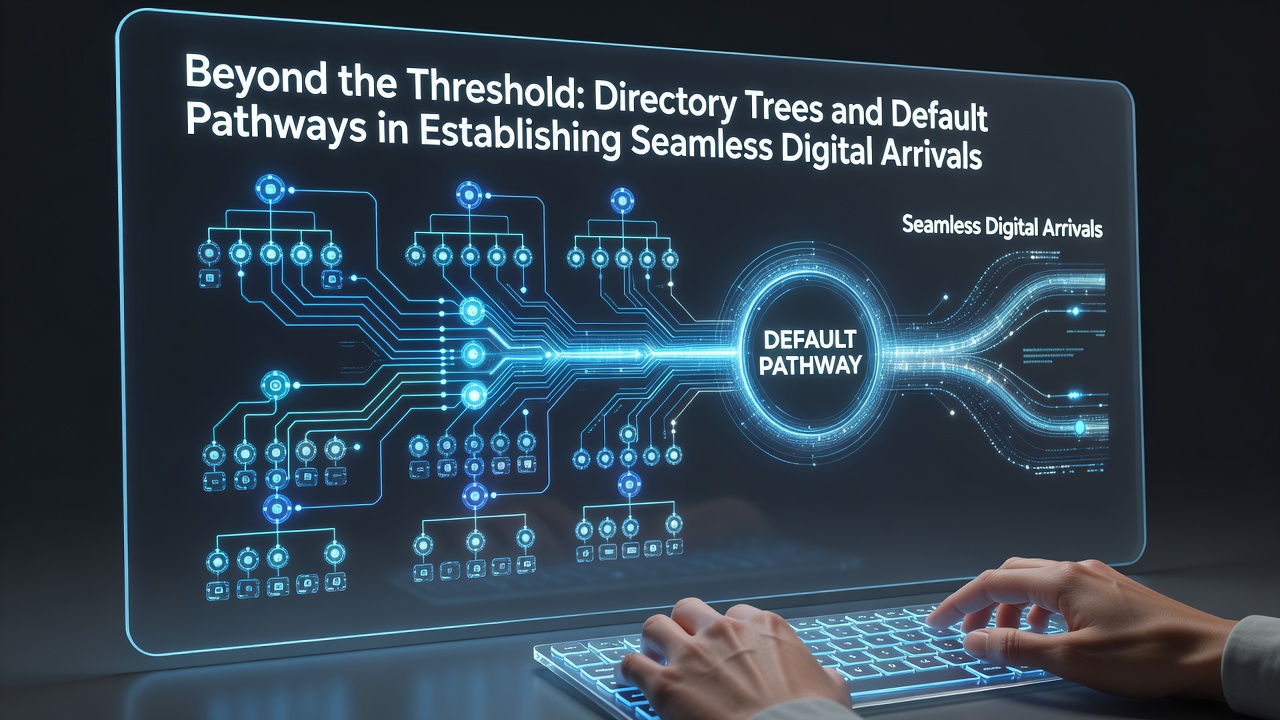
Directory trees organize data in hierarchical layers that allow systems to locate and deliver resources without manual intervention, while default pathways specify the initial routes users and applications follow upon entry. These structures operate across operating systems, cloud platforms, and networked storage environments to reduce access friction and maintain continuity during digital transitions. Observers note that when properly configured, such mechanisms handle millions of entry points daily in enterprise and consumer applications alike.
Hierarchical Structures in Modern File Systems
Directory trees form the backbone of file organization by nesting folders within folders, creating paths that software can traverse automatically. In Unix-like systems and Windows environments, root directories branch into subdirectories that store configuration files, user data, and executable modules, ensuring that requests resolve to the correct locations without exhaustive searches. Researchers at institutions studying computational efficiency have documented how balanced tree depths prevent performance bottlenecks during high-volume arrivals, particularly in scenarios involving simultaneous logins or batch processing.
Default pathways complement these trees by designating fallback files such as index.html or main.py that load when no specific resource is named. This setup proves essential in web servers and application containers where incoming traffic hits a base URL and expects immediate content delivery. Data from industry reports shows that systems employing consistent default rules experience fewer redirection errors, allowing seamless progression from arrival to active use.
Integration Across Cloud and Local Environments
Cloud providers extend traditional directory concepts through virtual file systems that map user requests to distributed storage nodes. Default pathways in these setups often include automated mounting scripts and access control lists that activate upon session initiation, routing new arrivals to personalized workspaces. According to NIST security guidelines, standardized path configurations help maintain integrity when data moves between on-premises servers and remote instances.
Those who manage large-scale deployments report that combining directory trees with intelligent defaults supports rapid scaling. For instance, container orchestration tools rely on predefined volume mounts that align with tree structures, so applications start with all necessary assets in place. In September 2026, updates to cross-platform compatibility standards are expected to further align these mechanisms, reducing discrepancies that once disrupted arrivals in mixed Linux and Windows fleets.
Practical Implementations and Observed Outcomes
Software installers frequently leverage default pathways to place configuration files in user-specific directories immediately after launch. This approach ensures that subsequent sessions begin at the correct state without requiring users to navigate manually through complex trees. Studies conducted by academic groups in Canada have tracked how such automation lowers support ticket volumes related to missing resources.
Networked applications extend the same principle to API endpoints and resource loaders. When a client connects, the system checks the directory tree for version-specific modules and falls back to stable defaults if newer files are unavailable. Evidence from European digital infrastructure analyses indicates that these layered checks contribute to higher uptime during peak usage periods, because arrivals route predictably even under variable load conditions.
Security and Maintenance Considerations
Directory permissions intersect with default pathways to control what new arrivals can access. Administrators set inheritance rules at higher tree levels so that subdirectories receive consistent protections without individual configuration. This method streamlines compliance efforts while preserving the seamless flow from entry point to operational state.
Regular audits of these structures reveal drift when applications update or new services integrate. Automated tools scan for orphaned default references and realign paths to current directory layouts, preventing gradual degradation that could interrupt arrivals. Observers note measurable improvements in system reliability after such maintenance cycles complete.
Conclusion
Directory trees and default pathways together create reliable entry mechanisms that support continuous digital operations. Their combined use across local, cloud, and hybrid environments demonstrates consistent patterns of reduced access delays and improved resource delivery. As platforms evolve through 2026 and beyond, the foundational role of these elements remains central to how systems manage initial user and application connections.